
Regenerative agriculture

Our Net Zero Roadmap shows that nearly two-thirds of our global greenhouse gas emissions come from agriculture, so addressing these is essential for achieving our objectives.
Regenerative agriculture is a key focus area for us. Our agriculture supply chain is where we have the greatest opportunity to reduce emissions. That’s why transitioning to regenerative agriculture practices is so important.
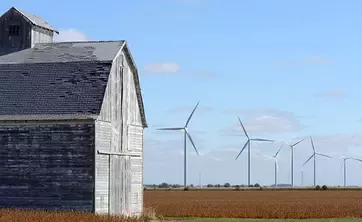
Locally, we are working closely with farmers through a dedicated pilot program to support the adoption and expansion of regenerative practices such as crop rotation, cover cropping and reduced tillage. These methods help restore soil fertility, increase water retention, and promote biodiversity on farms. The benefits extend beyond environmental impact, as healthier soils lead to more productive and resilient crops, supporting farmers' livelihoods.
To help renew and restore the resources we all depend on, globally we aim to source half of our key ingredients from farmers adopting regenerative agricultural practices by 2030. Reforming the way the world grows food will take time. That’s why we’re investing heavily in supporting agricultural communities for the long term.
Toward more regenerative agriculture practices on farms worldwide
21.3
%
20
%
50
%
What is regenerative agriculture?
Regenerative agriculture is a holistic approach to farming that actively supports the three agricultural resources – biodiversity, water, and soil – and which can benefit communities as part of a just transition.
The Nestlé model brings regenerative agriculture to life through five pillars: biodiversity; water security and quality; soil health; diverse cropping systems and livestock integration; collective and landscape action.
The main pillars of regenerative agriculture
-
Biodiversity We aim to support and increase biodiversity above and below the ground. Plant life can be enhanced with more diversified crops, intercropping or planting cover crops between harvests, while encouraging more abundant microbes, fungi and animal life – including invertebrates, insects and bird life – can contribute to improved soil nutrient cycles, pollination, fertility and productivity.
Ecosystems that exist in this kind of natural equilibrium can also enhance farmers’ livelihoods and improve their resilience to climate change. In many farms and landscapes we source from, Nestlé is supporting farmers by providing shade and fruit trees that provide protection for crops.

-
Water stewardship Protecting the quality of natural waters and stewarding of scarce water resources is essential to regeneration. We recognise the need to play our part in helping to protect water sources throughout our agricultural supply chain and production operations, and in the communities where Nestlé has an impact.
-
Soil health In Australia, we have some of the oldest, driest soil in the world. To grow the food that we and our pets eat, we need arable land and healthy soil. This vital resource has been often degraded by decades of changing land use such as urbanisation and deforestation. It has also suffered from the over-application of herbicides and pesticides and the practice of mono-cropping.
Healthier soils have a greater ability to absorb and store carbon dioxide from the atmosphere, because they have higher levels of organic matter than degraded soils. Plus, soil with higher levels of organic matter can retain water more effectively. By holding on to water, soil can provide a buffer against the impacts of hotter weather or drought, contributing to the resilience of the farm.
We are helping to scale up farming practices that help protect soil health and increase soil organic matter by launching regenerative agriculture initiatives through our Farmer Connect program, which works closely with more than 500 000 farmers and 150 000 suppliers as well as local communities.
Initiatives include crop rotation, mulching, organic fertilisers and minimising tillage. Organically ‘rich’ soils are more productive, maintain the integrity of land against soil erosion, retain more water and potentially store significant amounts of carbon.

-
Diverse cropping systems & livestock integration We support diverse cropping and crop rotations in farming systems when feasible and relevant.
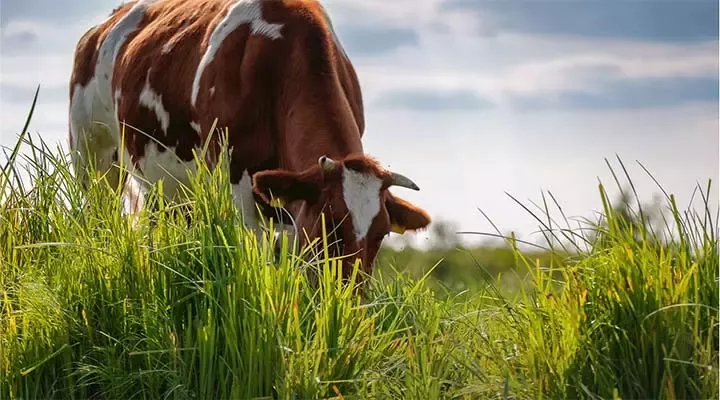
Our work includes supporting farmers to use silvopasture – where trees are introduced into areas used for livestock grazing – alongside mixed farming of livestock and crops, cover crops to protect soil and improved manure management.
Expected benefits include protection (for plant and animal life) from sun and wind, organic fertilisation, improved water management and habitats conducive to other species like insects and birdlife. These approaches can also provide additional sources of farm income.
-
Collective & landscape actions Regenerative agriculture practices can look beyond individual farms to entire landscapes to help protect endangered natural resources by, for example, regulating the use of common land, regional reforestation projects, protection of shared water resources and the creation of green ‘corridors’ aimed at fostering biodiversity.
The benefits can be felt not just by farmers, but entire communities in terms of welfare, profitability, and reduced emissions.

A just transition
Regenerative agriculture puts people at the centre, supporting solutions that are right for their regions and crops. We aim to enable people in our supply chains to support themselves and their families. Together with respect and promotion of human rights, we are striving to achieve a just transition to regenerative food systems.
Piloting success
Our Nestlé Regenerative Agriculture Framework, guided by agro-ecological principles and practices, is a holistic model that considers healthy, organically rich soil as vital to protecting and restoring land.
Our strategy begins with pilot studies at farms to validate new technologies and nature-based solutions. As pilots prove successful, we expand into reference farms of ‘agripreneurs’, or entrepreneurial farmers, in different countries and regions, as soils and climate requirements differ. Where possible, we are also encouraging industry alignment on common frameworks and metrics for regenerative agriculture.
Our income accelerator program for cocoa farmers and pilot financial support scheme for coffee farmers in Mexico, Côte d’Ivoire and Indonesia are good examples.
The focus is on educating and training suppliers and ramping up initiatives. It’s all part of our determination to get regenerative agriculture moving in the right direction.
Downloads
Download our Annual Review, Non-Financial Statement & our Creating Shared Value at Nestlé publication.